
What are gophers costing your farm?
A few mounds here and there may not look like much. Then dirt starts showing up in the bale. You raise the cutter bar. The field gets rougher. A good stand starts thinning out.
Gopher damage rarely lands on one invoice — but you pay for it all the same.
"Less gophers is better — more dollars. It's better for your equipment. It's better all the way around."
Warden, WA
Where the Money Goes
Gopher damage costs more than a few missing plants.
You've already paid to establish the stand and grow the crop. Gophers take value out of it one mound, one plant and one equipment pass at a time.
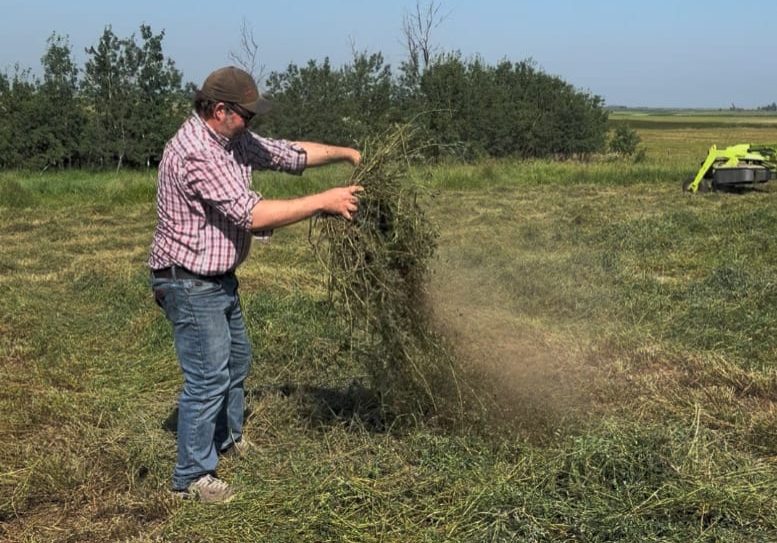
Crop Quality
Dirt lowers hay quality.
Soil in the windrow raises ash content and pulls down feed value.

Lower Yield
Mounds make you cut higher.
Clean hay costs you tonnage you already paid to grow.

Time Savings
Rough fields slow you down.
More tractor hours and operator time on every pass.
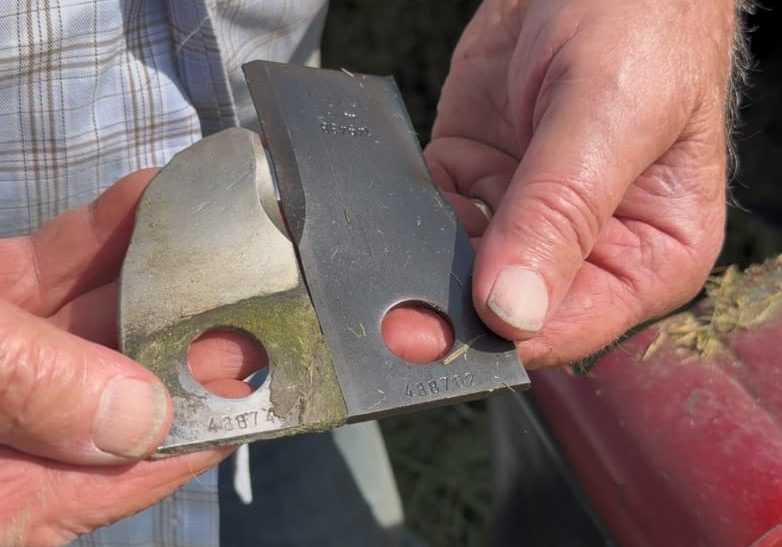
Equipment Cost
Soil adds wear to equipment.
Cutters, rakes, balers and combines all pay for the dirt.
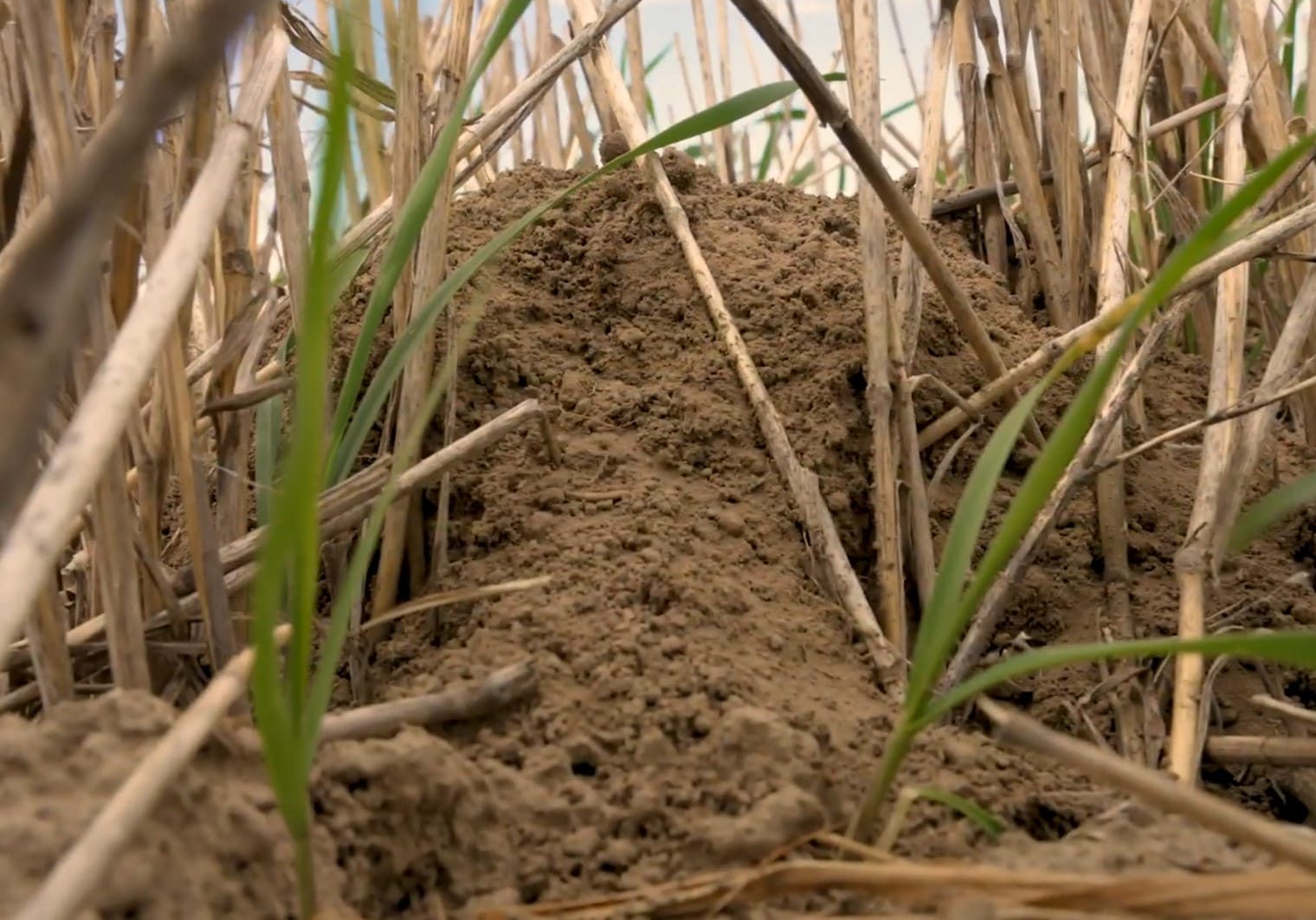
Reduced Production
Root damage thins the stand.
Gophers kill productive plants before you ever see the gap.
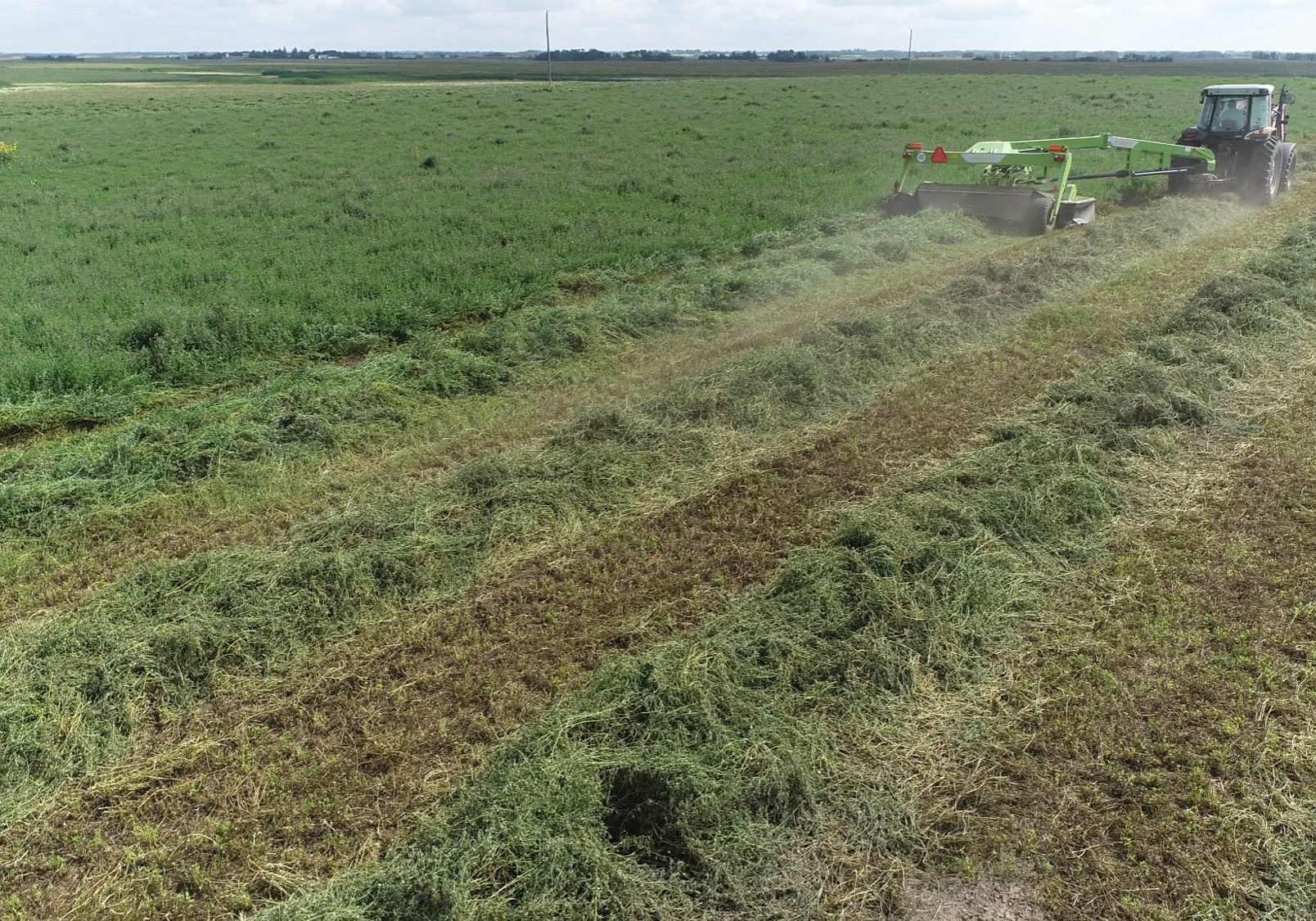
Frequent Replacements
Stands need replacing sooner.
Establishment costs come due earlier than you planned.
The longer gophers work the field, the more those costs pile up.
If you're seeing dirt in the hay, rough fields or thinning stands, gophers are already costing you.
Prefer to start by phone?
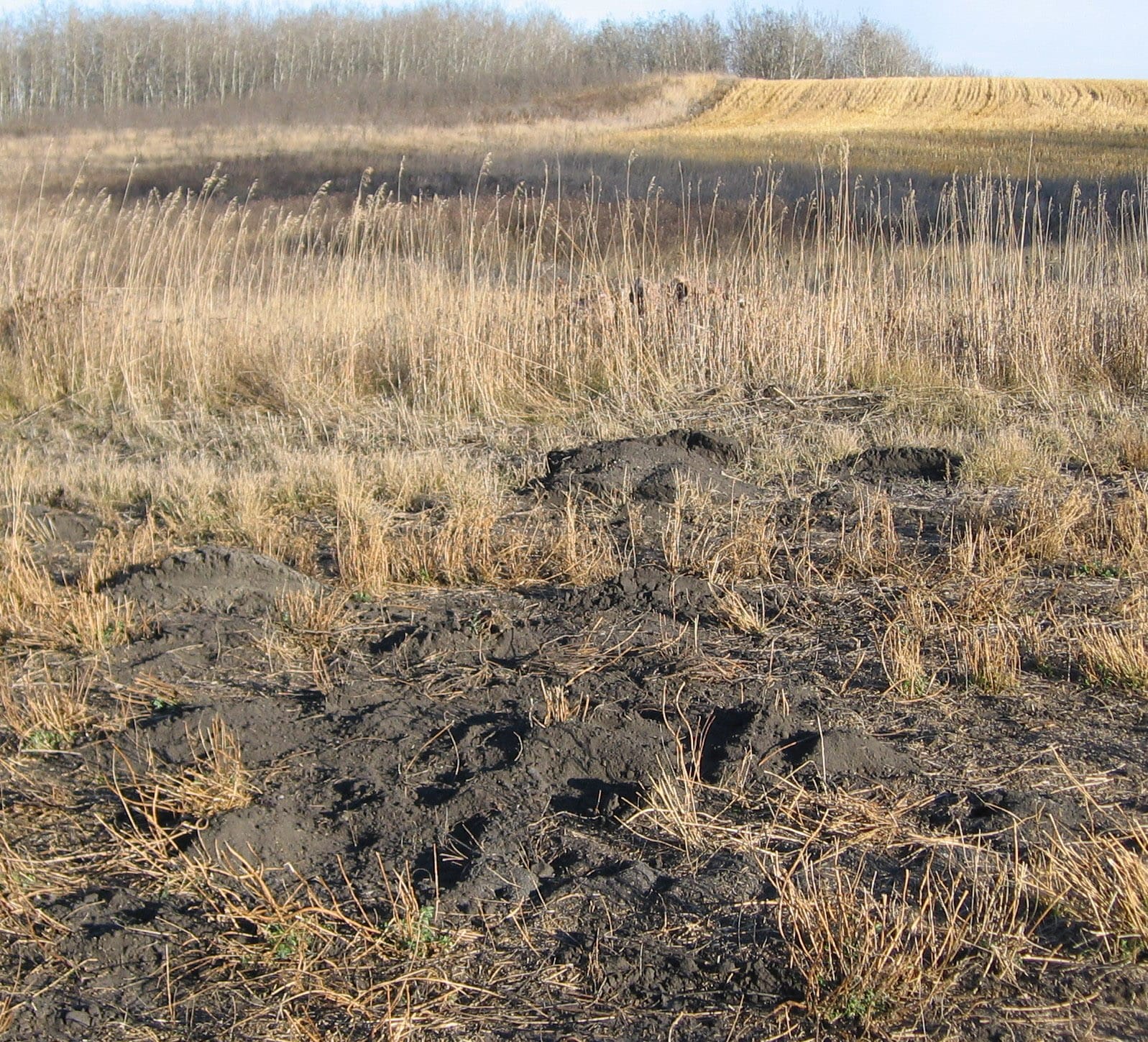
What Gopher Mounds Cost You
Mounds punish your crop, your iron, your hours, and your stand.
It starts at the cutter bar. When gopher mounds cover a field you have two choices, and neither one is free.
Dirt in the hay and through the iron.
You keep the tonnage, but soil rides along into the windrow, the bale and every machine that touches the crop.
Good crop left standing in the field.
Cleaner hay, less tonnage. Not a big loss on one pass — until you count the acres and the cuttings.
Equipment works harder
Dirt is hard on equipment. So are mounds, holes and rough ground. When soil keeps going through cutters, rakes, balers, headers and combines, wear adds up — and so does the time spent cleaning, repairing and replacing parts.
Every pass takes longer
A rough field means mowing, raking, and baling all take longer, and operators have to back off the throttle, watch for holes and brace for the next hard hit. More time per acre means more tractor hours, more operator time and less room in the schedule when weather closes in.
Stands give out early
Pocket gophers cut roots and kill productive plants, and as the damage spreads the stand thins and the gaps get larger. In wide-row alfalfa seed fields a gopher can work down a row and leave a missing stretch behind. In hay, it is less obvious but has the same result: fewer productive plants and a stand that has to be replaced before you planned to.
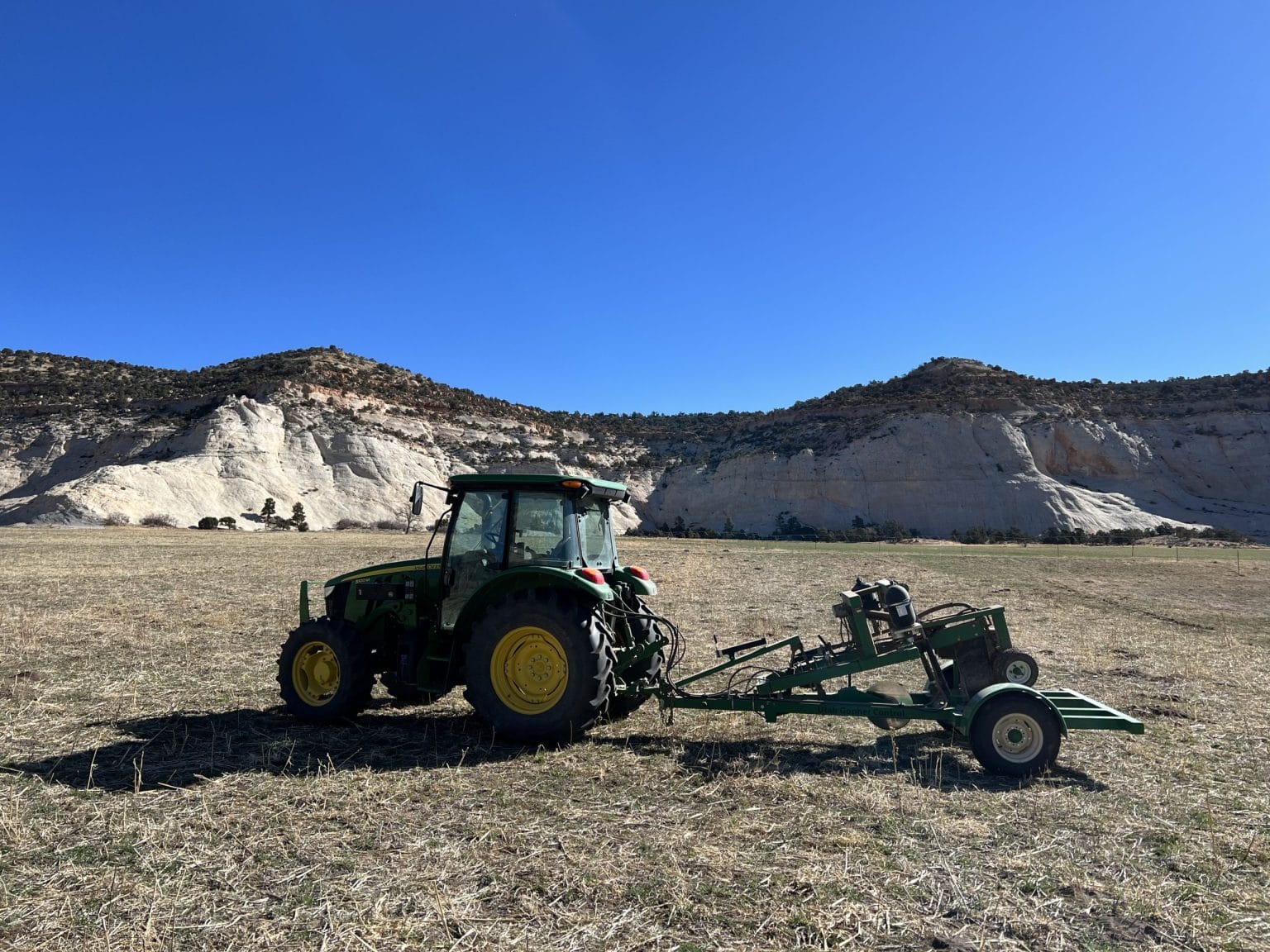

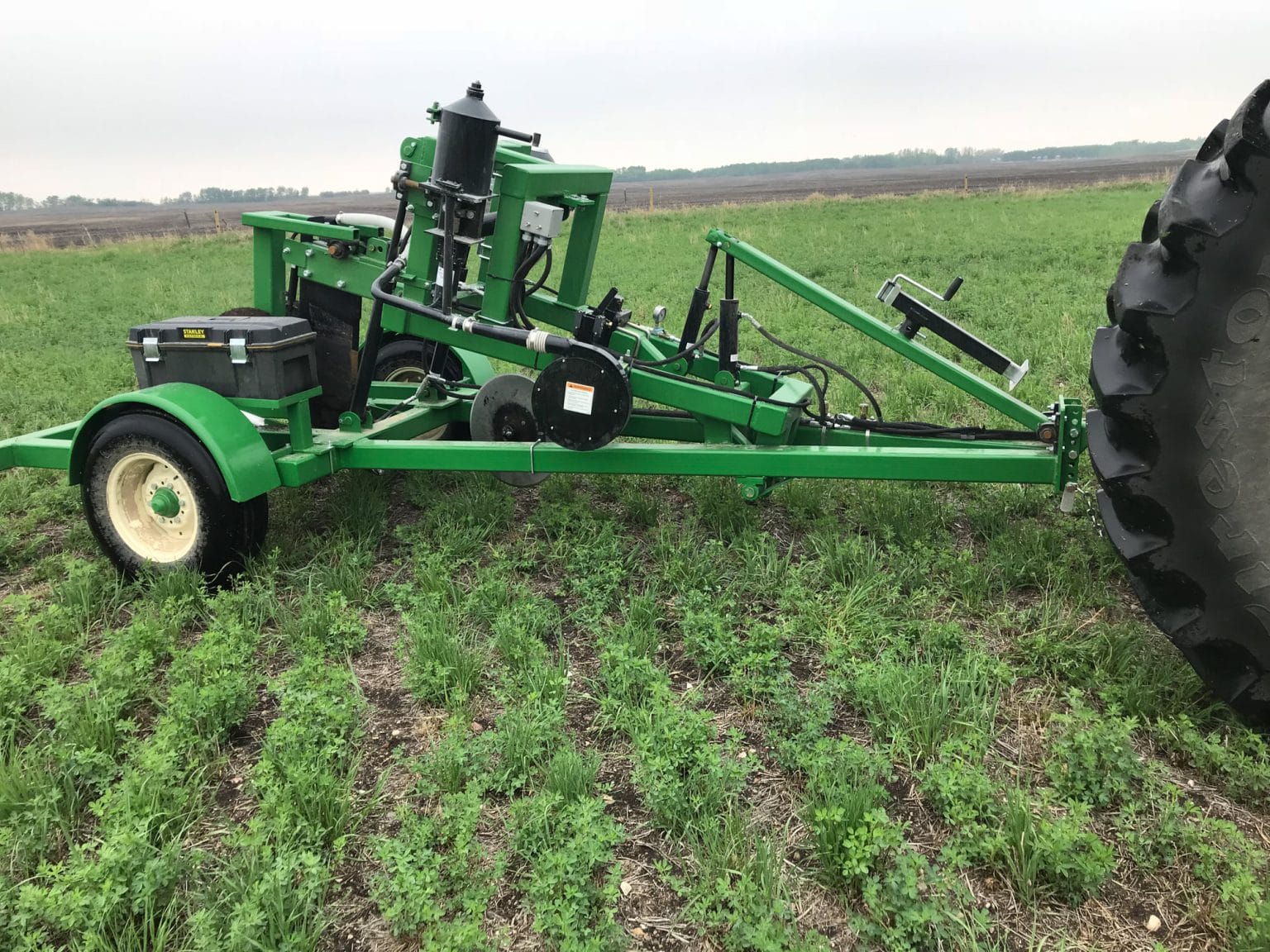

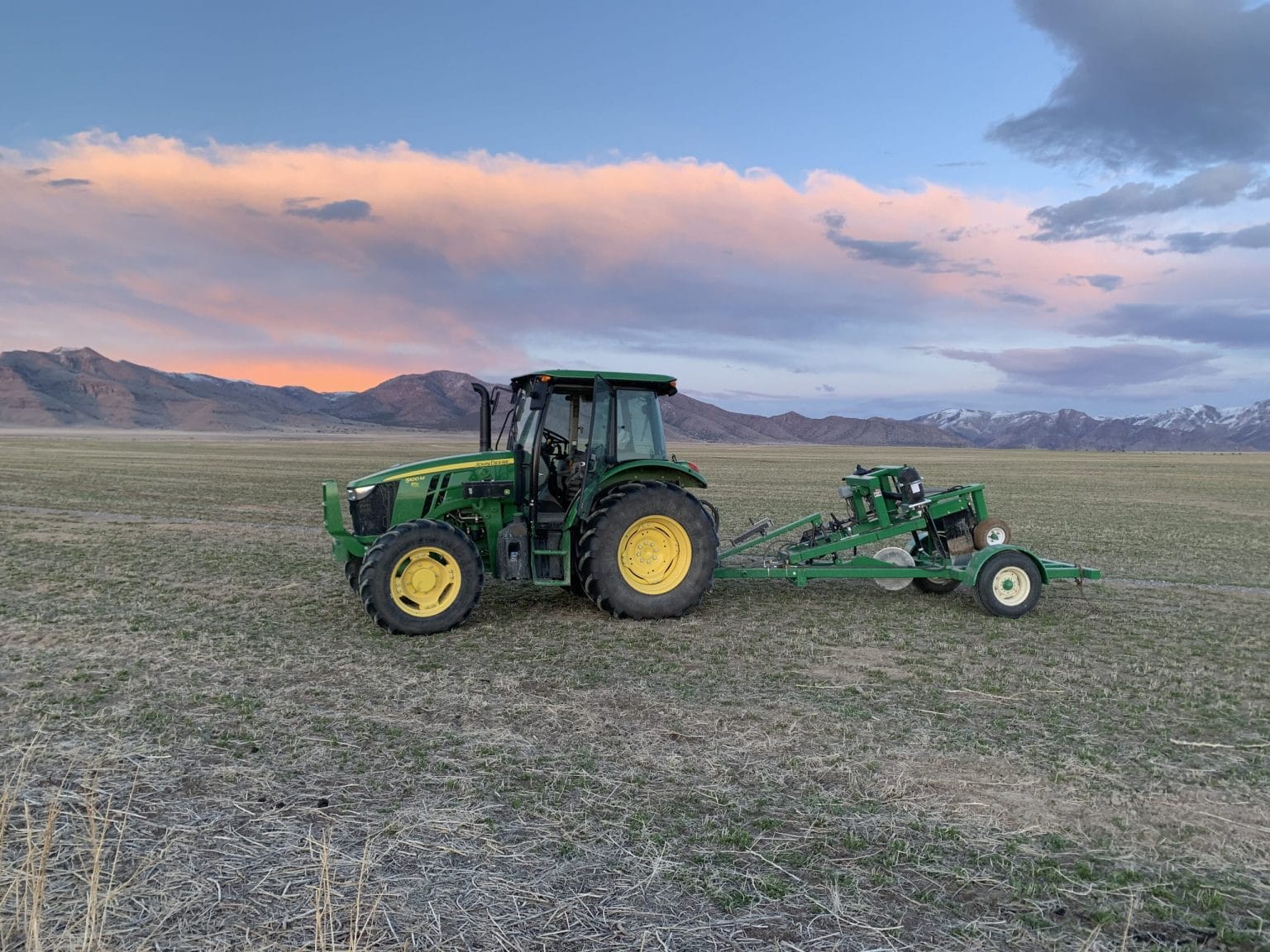
Why Gopher General?
Fewer gophers means more value from the same acres.
It starts at the cutter bar. When gopher mounds cover a field you have two choices, and neither one is free.
-
Less dirt in the hay
-
Less soil going through equipment
-
More crop cut at the height you intended
-
Faster work across smoother ground
-
Fewer plants lost to root damage
-
More productive years from the stand